By Umar Daraz | June 10, 2026, 7 AM | 4 Min Read
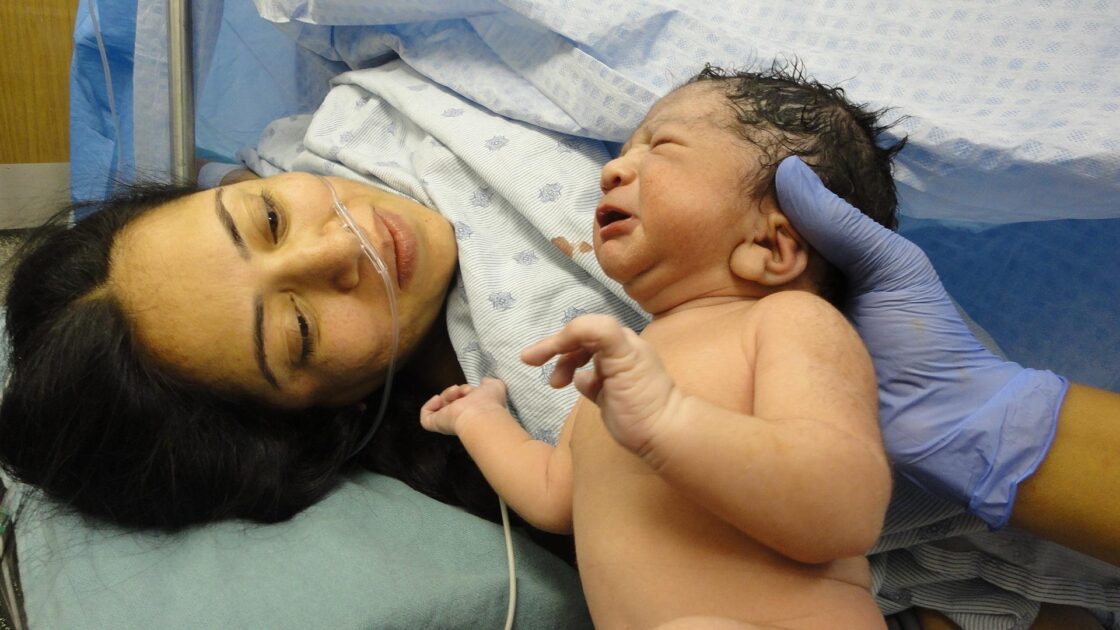
For the first time, India’s fertility rate has dropped below the replacement level, which is a major demographic shift which will bring long-term consequences for the country’s economy, workforce, and social structure.
According to the latest report of Sample Registration System (SRS), released by India’s Office of the Registrar General and Census Commissioner, the country’s Total Fertility Rate (TFR) has fallen to 1.9 children per woman, while the replacement level of 2.1 needed to maintain a stable population. Two decades ago, India’s fertility rate was around 3.3 births per woman.
Why Is India’s Fertility Rate Falling?

According to experts there are several factors behind the decline. Improved access to education, especially for women, greater availability of contraceptives, and increased decision-making power for women have all contributed to this factor.
Economic pressures are also playing a big role. As living costs rise, raising children has become more expensive, and this encourages many families to raise fewer children.
Reduction in infant mortality is another important factor. India’s infant death rate has fallen significantly, from 30 deaths per 1,000 live births in 2019 to 24 in 2024. As child survival improves, families often feel less need to have more children.
The decline has not hit the whole country. Higher fertility rates were recorded in some Poorer states such as Bihar and Uttar Pradesh, while more developed regions like Delhi, Kerala, and Tamil Nadu have some of the lowest rates. These differences are closely linked to levels of education, healthcare access, and economic development.
What Are the Possible Consequences?

Because a large share of its population is of working age, India has benefited from a “demographic dividend” since 2005. This has supported economic growth and helped in the country’s development.
However, a continued decline in fertility could lessen the workforce and a growing elderly population. India may face labour shortages, while governments could face increasing pressure to provide healthcare, pensions, and social support for older citizens.
Experts warn India to prepare now for an ageing society by strengthening healthcare systems and expanding social security programs.
Political and Social Implications
The falling fertility rate could also reshape India’s political landscape. Population growth remains higher in many northern states, while southern states have much lower fertility rates.
As India prepares to redraw parliamentary constituencies through a future delimitation process, concerns have emerged that political representation could be lost to southern states despite their economic contributions and development progress.
The issue has been disscused in broader social debates. While some groups are concerned about religious population balances, official data shows fertility rates are declining across all major communities, including both Hindus and Muslims.
How Is India Responding?
Several states have already started encouraging larger families. Andhra Pradesh recently announced financial rewards for families having a third or fourth child, while states such as Goa, Karnataka, and Telangana have expanded access to fertility treatments.
India’s fertility decline mirrors trends seen across Asia, including in China, Taiwan, and South Korea, where birth rates have fallen even further. As the country adapts to this new demographic reality, policymakers face the challenge of balancing economic growth with the needs of an ageing population.

Umar Daraz is the Founder and Editor of TodayEast, an independent digital news platform covering global affairs, business, technology, sports, and world rankings. He specializes in data-driven journalism, international news analysis, economic trends, and emerging technologies. Through TodayEast, he aims to provide accurate, accessible, and insightful reporting on the stories shaping the world.