By Umar Daraz | June 10, 3 PM | 2 Min Read
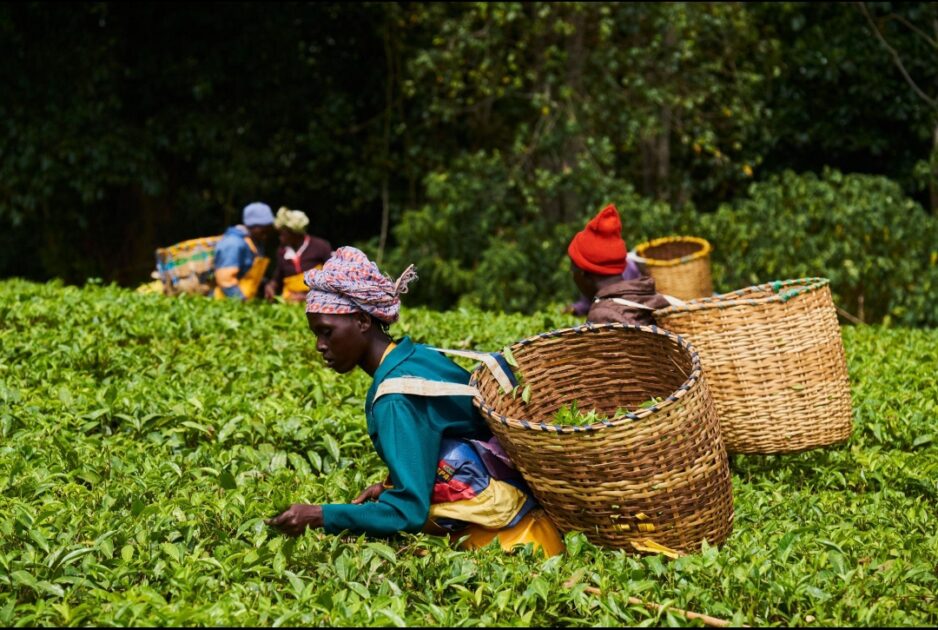
Tea prices in Pakistan may rise in the coming months if Kenya imposed a newly announced export levy on tea shipments, according to industry representatives.
The Government of Kenyan recently introduced a 0.8 percent levy on tea exports, a move that has raised concerns among Pakistani importers and traders. Pakistan is one of the world’s largest tea-importing countries and relies heavily on Kenya for its tea supplies.
A meeting held at the Kenya High Commission in late May brought together representatives from the Pakistan Tea Association (PTA), Kenya’s Tea Board, and officials from Kenya’s Ministry of Investment, Trade and Industry. During the discussions, Pakistani stakeholders urged Kenyan authorities to reconsider the levy and give exemption to Pakistan.
Why It Matters for Pakistan
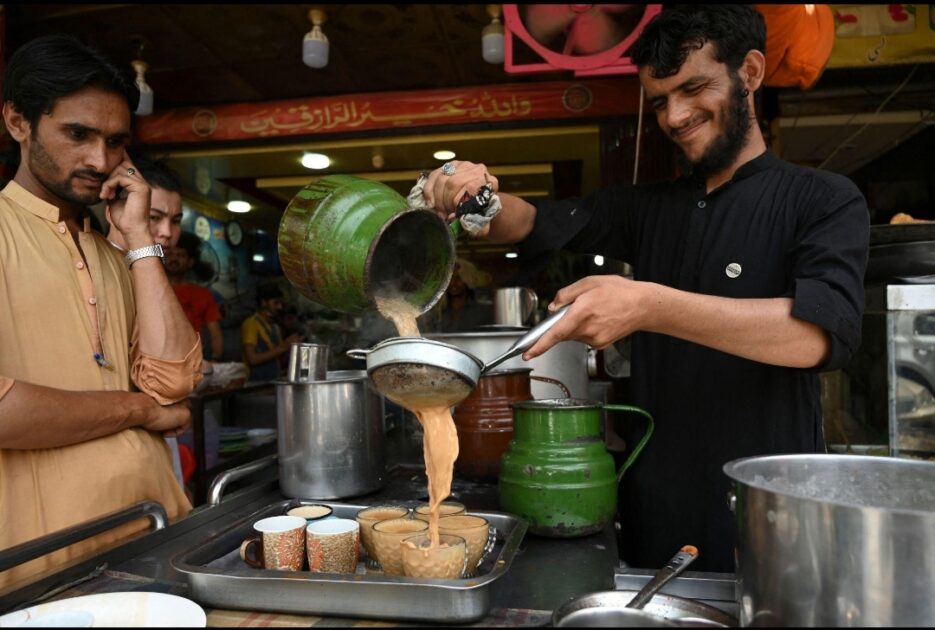
According to PTA Chairman Muhammad Altaf, Pakistan is one of Kenya’s most important export market as Pakistan imports approximately 36 percent of Kenya’s annual tea production.
He warned that the additional levy could increase import costs at a time when Pakistan is already facing economic pressures, including higher freight charges, rising packaging costs, and challenges linked to regional geopolitical developments.
Since tea is a staple beverage consumed daily across the country, any increase in import costs could eventually be passed on to consumers through higher retail prices.
Impact on Consumers and Businesses
Industry experts believe the levy could add to food inflation and reduce tea consumption if prices rise significantly. Higher costs may also affect businesses throughout the supply chain, including importers, distributors, wholesalers, and retailers.
On the other hand, Pakistan’s tea imports have already increased during the current fiscal year. Between July and April FY26, the country imported 220,871 tonnes of tea worth approximately $555 million, compared with 207,364 tonnes valued at $528 million during the same period a year earlier.
The growing demand highlights Pakistan’s dependence on imported tea and the importance of maintaining stable trade relations with major suppliers.
Alternative Markets Under Consideration
If the levy remains in place, Pakistani importers may begin exploring alternative tea-producing countries. Industry representatives have identified Sri Lanka, Indonesia, Bangladesh, and several African nations as potential alternative sources.
However, shifting supply chains could take time and may not immediately offset the impact of higher costs associated with Kenyan tea imports.
Looking Ahead

The Pakistan Tea Association has formally requested that Kenya exclude Pakistan-bound tea exports from the new levy. Traders hope further discussions between both countries will help prevent additional costs from reaching consumers.
Tea importers and retailers are closely monitoring this issue, as any final decision by the Kenyan government could directly affect tea prices in Pakistan and influence future import strategies.

Umar Daraz is the Founder and Editor of TodayEast, an independent digital news platform covering global affairs, business, technology, sports, and world rankings. He specializes in data-driven journalism, international news analysis, economic trends, and emerging technologies. Through TodayEast, he aims to provide accurate, accessible, and insightful reporting on the stories shaping the world.