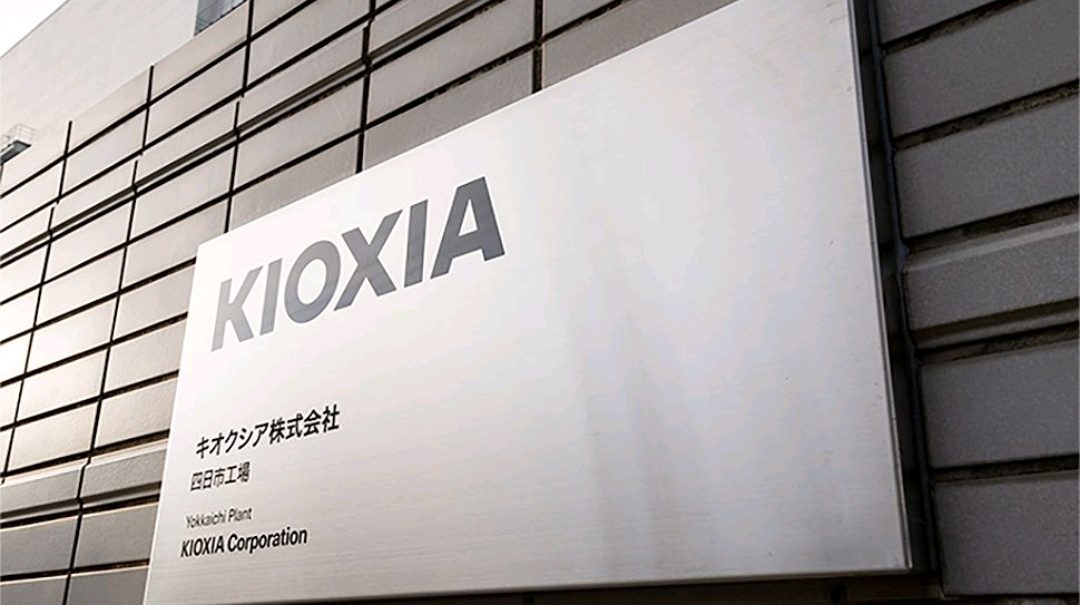
The artificial intelligence revolution is transforming industries worldwide, and Japan is now witnessing a dramatic shift in its corporate landscape. In a remarkable development, Kioxia becomes Japan’s most valuable company, overtaking automotive giant Toyota Motor as investors pour money into semiconductor and AI-related businesses.
The milestone highlights the growing importance of memory chips and data center infrastructure in the age of artificial intelligence.
Kioxia Surpasses Toyota in Market Value
Japanese memory chip manufacturer Kioxia recently surpassed Toyota Motor to become the country’s largest company by market capitalization. Kioxia’s market value climbed above ¥44 trillion ($274 billion), edging past Toyota’s ¥43.8 trillion valuation.
The achievement is particularly impressive because Kioxia made its stock market debut only about 18 months ago. Since then, investor enthusiasm for AI-related companies has helped drive its share price to extraordinary levels.
On the day it claimed the top spot, Kioxia shares jumped another 7.6%, extending one of the strongest rallies seen in global equity markets this year.
AI Demand Drives Massive Growth
The primary reason Kioxia becomes Japan’s most valuable company is the explosive demand for memory chips used in artificial intelligence systems and data centers.
AI applications require enormous computing power and storage capacity. As technology companies continue investing billions into AI infrastructure, demand for high-performance memory products has surged.
This trend has benefited semiconductor manufacturers worldwide, but Kioxia has emerged as one of the biggest winners. The company’s stock has risen more than 670% in 2026, making it the best-performing company on the MSCI World Index.
Investors increasingly view memory chips as a critical component of future AI growth, helping fuel Kioxia’s meteoric rise.
A Symbol of Japan’s Changing Economy
Market analysts believe Kioxia’s rise represents more than just a successful stock rally. It reflects a broader shift in investor priorities.
For decades, automotive companies such as Toyota were viewed as symbols of Japan’s industrial strength. However, the AI era is pushing technology and semiconductor firms into the spotlight.
The list of Japan’s largest companies now includes several AI-related businesses, including component manufacturer Murata Manufacturing and semiconductor testing company Advantest. Their growing prominence demonstrates how artificial intelligence is reshaping investment trends across the country.
Kioxia’s Journey from Toshiba to Global Chip Leader
Kioxia traces its origins to Toshiba’s memory chip division, which pioneered NAND flash memory technology.
In 2018, the business was acquired by a consortium led by Bain Capital and later rebranded as Kioxia. Since then, the company has focused on expanding its position in the global memory chip market.
The AI boom has significantly accelerated its growth prospects, transforming Kioxia from a former Toshiba unit into Japan’s most valuable publicly traded company.
Challenges Facing Toyota
While technology companies enjoy strong momentum, traditional automakers face increasing challenges.
Toyota shares have declined around 17% this year as investors worry about slowing demand, higher energy prices, and geopolitical uncertainties. Rising oil prices and tensions in the Middle East have added pressure to the automotive sector.
In addition, car manufacturers continue to invest heavily in electric vehicles, software integration, and next-generation mobility solutions. These transitions require substantial spending and may weigh on profitability in the near term.
As a result, many investors are shifting their focus toward industries that are expected to benefit directly from artificial intelligence.
Conclusion
The fact that Kioxia becomes Japan’s most valuable company marks a significant moment in the country’s corporate history. The achievement reflects the growing influence of artificial intelligence and the increasing importance of semiconductor technology in the global economy.
As AI adoption continues to expand, companies involved in memory chips, data centers, and advanced computing could remain at the center of investor attention. Kioxia’s rise may be one of the clearest signs yet that the AI revolution is reshaping not only technology markets but also the rankings of the world’s most valuable companies.

Umar Daraz is the Founder and Editor of TodayEast, an independent digital news platform covering global affairs, business, technology, sports, and world rankings. He specializes in data-driven journalism, international news analysis, economic trends, and emerging technologies. Through TodayEast, he aims to provide accurate, accessible, and insightful reporting on the stories shaping the world.