By Umar Daraz Jhammat | June 8, 2026
—
There is something different about this World Cup.
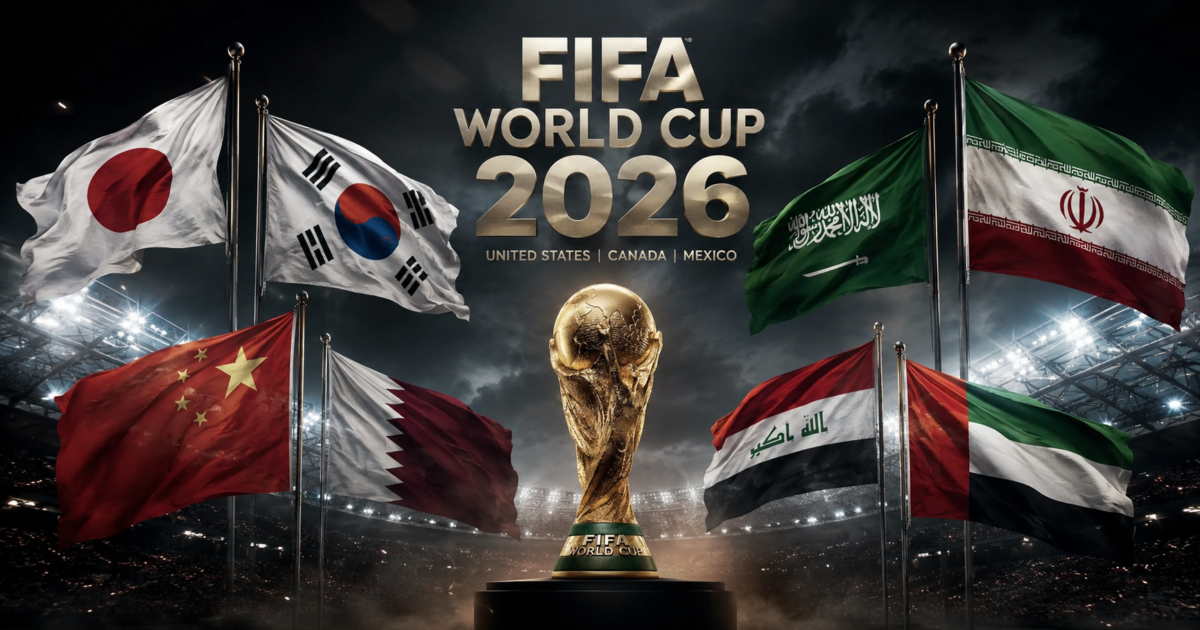
When FIFA expanded the tournament to 48 teams, the football world debated whether it diluted the competition. But for Asia, it meant something far more profound — more nations, more stories, and more moments that will be replayed for generations.
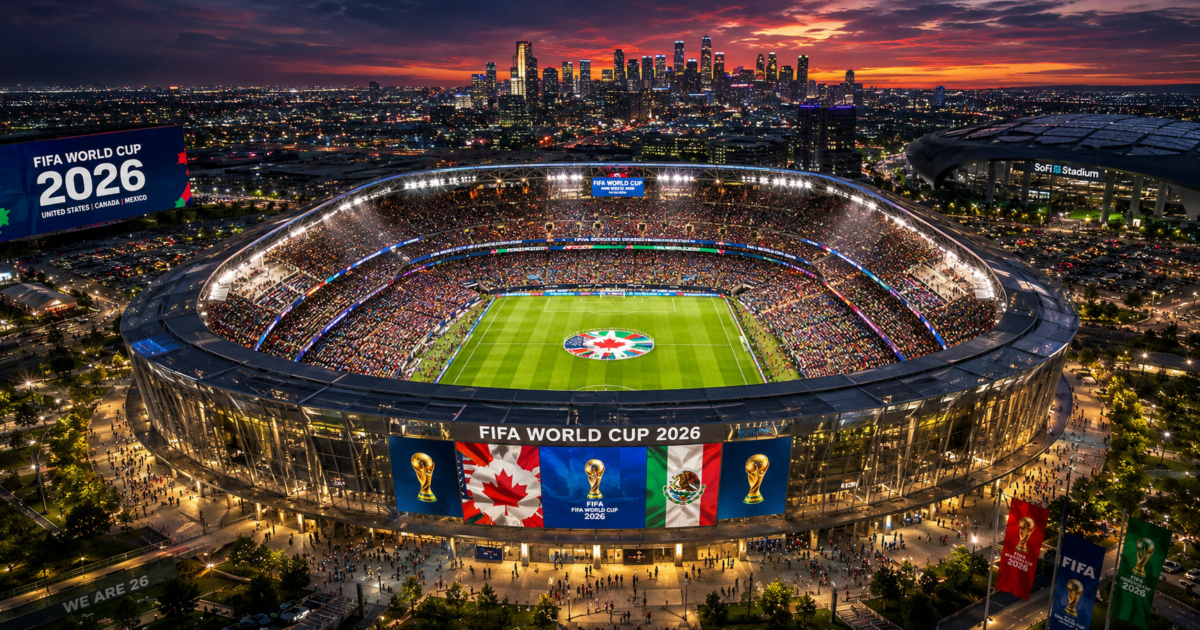
The FIFA World Cup 2026, hosted across the United States, Canada, and Mexico, is not just the biggest World Cup in history. For Asia, it is the most important.
Eight nations from the Asian Football Confederation will take the field. Some are familiar faces on the global stage. Others are writing the first chapter of their World Cup story. All of them carry the hopes of hundreds of millions of fans — from Tokyo to Tehran, from Riyadh to the streets of Dhaka, Karachi, and Mumbai.
This is Asia’s World Cup moment. And it has never looked bigger.
—

Japan 🇯🇵 — The Standard Bearers
*Group C*
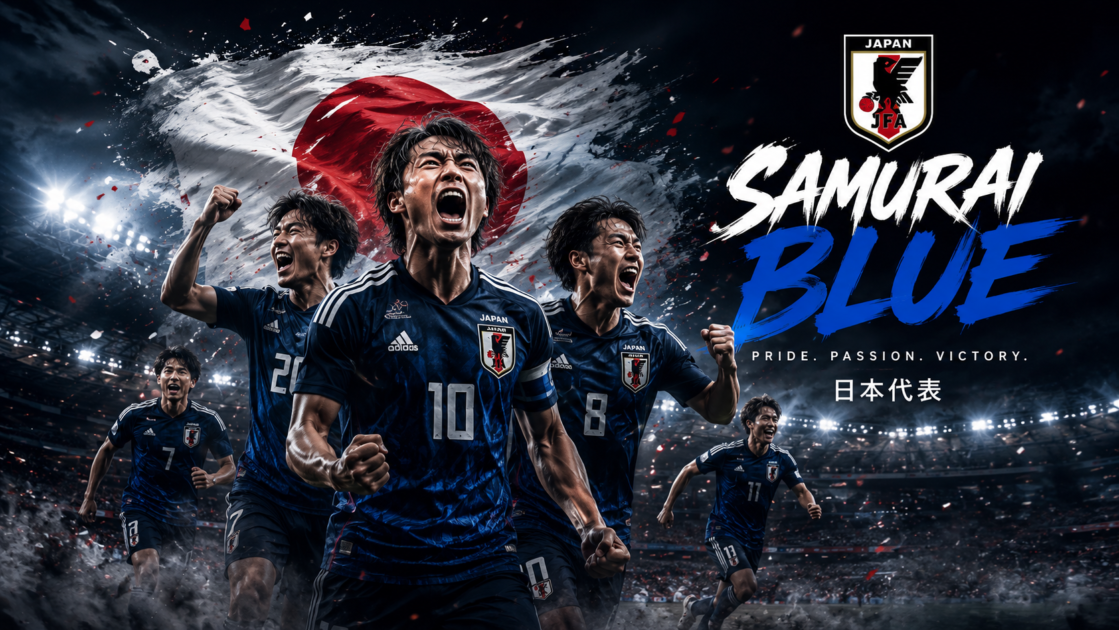
If you want to understand how far Asian football has come, start with Japan.
The Samurai Blue have appeared at eight consecutive World Cups. They have beaten Germany. They have beaten Spain. They play with a discipline and technical sophistication that earns respect from every opponent they face.
*WORLD CUP RECORD:*
– Appearances: 8 (1998–2026)
– Best Result: Round of 16 (2002, 2010, 2018, 2022)
At Qatar 2022, Japan produced one of the tournament’s great stories. Drawn into a group with Germany and Spain — two former world champions — they were written off before a ball was kicked. By the time the group stage ended, Japan had beaten both of them.
They went out on penalties to Croatia in the last 16. It hurt. But it also proved something important: Japan belong at this level.
In 2026, they want more. A quarter-final, at minimum, is the target. With a squad packed with Bundesliga and Premier League experience, and a coach who demands tactical intelligence from every player, Japan are Asia’s most credible deep-run contender.
*One to Watch:* Ritsu Doan — the winger who scored against both Germany and Spain in Qatar. He will be central to everything Japan do.
—
South Korea 🇰🇷 — The Believers
*Group B*
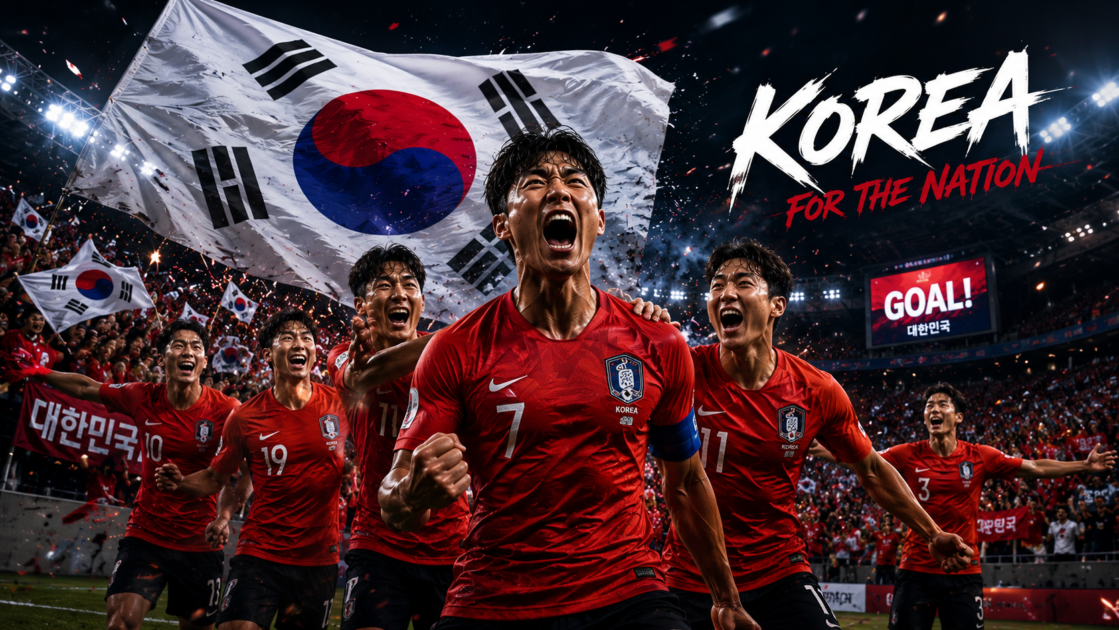
Ask any South Korean football fan about 2002, and watch their eyes light up.
That summer, co-hosting the World Cup on home soil, South Korea did something no Asian nation had ever done. They beat Poland. They beat Portugal. They eliminated Italy and Spain. And they walked into the semi-finals of the FIFA World Cup.
It remains the greatest achievement in Asian football history.
*WORLD CUP RECORD:*
– Appearances: 12
– Best Result: Fourth Place (2002)
Two decades later, South Korea still believe. They always believe. It is written into the DNA of their football culture.
Son Heung-min, one of the finest players of his generation, leads the team into what may be his final World Cup. The Tottenham captain has carried South Korean football on his shoulders for years. In 2026, he will want to give his country one last unforgettable memory.
Around him is a squad that has grown up watching 2002 on repeat. They know what is possible. They know that giant-killing is not just a dream for Asian teams — it is something South Korea has already done.
*One to Watch:* Son Heung-min — the captain, the leader, the heartbeat of Korean football.
—
Iran 🇮🇷 — The Fighters
*Group A*
Iran do not make things easy for anyone.
Physically imposing, tactically organised, and driven by a fierce competitive spirit, the Team Melli have been one of Asia’s most consistent qualifiers. Seven World Cup appearances tell the story of a nation that takes international football seriously.
*WORLD CUP RECORD:*
– Appearances: 7
– Best Result: Group Stage
Their most celebrated World Cup moment came in 1998, when they defeated the United States 2-1 in one of the most politically charged matches in football history. The goal celebrations were unlike anything seen before at a World Cup.
Iran have never made it past the group stage, but they have come agonisingly close. In 2026, with a passionate squad and the entire nation behind them, they will be determined to write a new chapter.
*One to Watch:* Mehdi Taremi — the Porto striker who has been one of European football’s most consistent performers. If Iran go deep, he will be the reason.
—

Saudi Arabia 🇸🇦 — The Giant Killers
*Group D*
On November 22, 2022, Saudi Arabia did something that stopped the football world.
Argentina — led by Lionel Messi, the greatest player of his generation, chasing the one trophy that had eluded him — took the lead at Qatar 2022. Saudi Arabia equalised. Then they scored again. Final score: Saudi Arabia 2, Argentina 1.
The entire football world could not believe it. Saudi Arabia did.
*World Cup Record:*
– Appearances: 7
– Best Result: Round of 16 (1994)
That victory against Argentina was not just a result. It was a statement. Saudi football has invested heavily in player development, coaching, and infrastructure. The Saudi Pro League now attracts some of the biggest names in world football.
In 2026, Saudi Arabia arrive with confidence, experience, and the knowledge that they have already beaten the best.
*One to Watch:* Salem Al-Dawsari — the man who scored that unforgettable winner against Argentina. He carries the weight of a nation’s expectations — and the belief that he can deliver again.
—
Australia 🇦🇺 — The Dark Horses
*Group E*
Australia’s journey to becoming an Asian football power is one of the sport’s more fascinating stories.
Technically part of Oceania, the Socceroos switched to the Asian Football Confederation in 2006 — a decision that transformed their football landscape. Competing against stronger opposition raised their level. And it showed.
*World Cup Record:*
– Appearances: 7
– Best Result: Round of 16 (2006, 2022)
At Qatar 2022, Australia reached the last 16 before losing to Argentina. It was a performance that proved they belong in the conversation about Asia’s best.
Their squad combines European-based professionals with physical strength and a never-say-die mentality that makes them dangerous against any opponent.
*One to Watch:* Mathew Leckie — the veteran winger whose goal against Denmark sent Australia through at Qatar 2022. At 33, this will likely be his final World Cup, and he will give everything.
—
Qatar 🇶🇦 — The Hosts Turned Competitors
*Group F*
Qatar’s relationship with the World Cup has been unlike any other nation’s.
They hosted it in 2022, becoming the first Arab and Middle Eastern country to do so. That alone was historic. But now, in 2026, Qatar returns as a competitor — a nation that has used football as a tool for national development and emerged as one of Asia’s genuine forces.
*World Cup Record:*
– Appearances: 2 (2022, 2026)
– Best Result: Group Stage (2022)
Their debut as hosts in 2022 was difficult — they became the first host nation to be eliminated in the group stage. But Qatar learned from that experience. Back-to-back AFC Asian Cup victories in 2019 and 2023 demonstrated that their football development programme is producing real results.
In 2026, they arrive not as hosts, but as competitors. The difference matters.
*One to Watch:* Akram Afif — the skilful winger who was named AFC Asian Cup Best Player in 2023. He is Qatar’s most dangerous attacking threat.
—
Indonesia 🇮🇩 — The Dream Debut
*Group G*
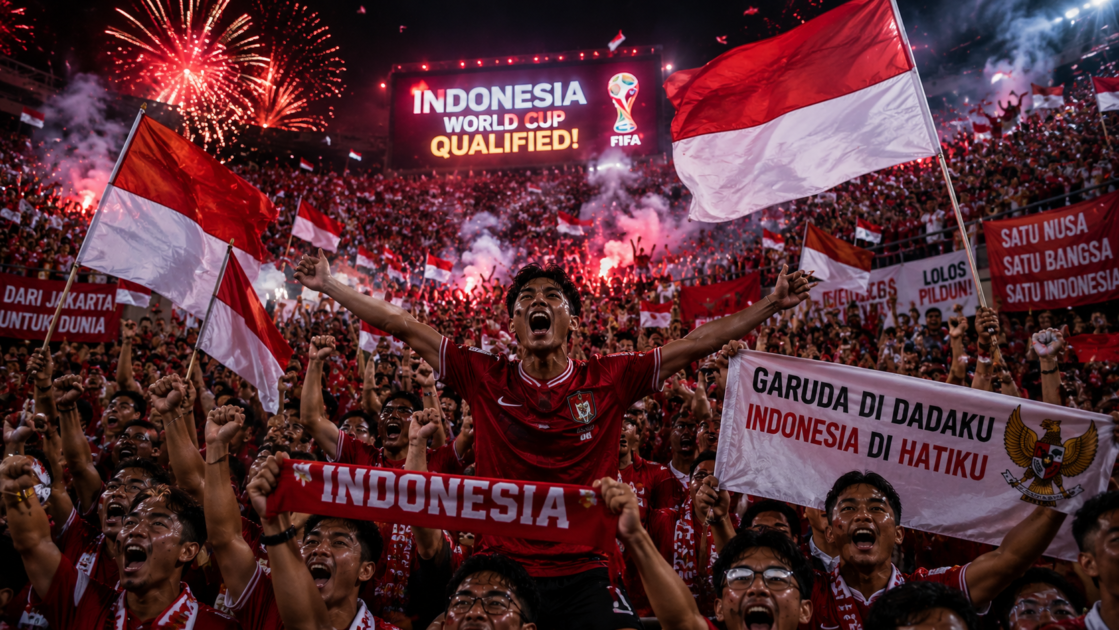
Of all the stories at FIFA World Cup 2026, Indonesia’s may be the most emotional.
A nation of over 270 million people. One of the most passionate football cultures in the world. Decades of near misses, heartbreaks, and qualification campaigns that ended in disappointment.
And then, finally — they made it.
*World Cup Record:*
– Appearances: 1 (2026)
– Best Result: Yet to be written
Indonesia’s qualification was greeted with scenes of national celebration that are difficult to put into words. Fans who had waited their entire lives for this moment finally had it.
For the hundreds of millions of football fans across South and Southeast Asia — in Pakistan, India, Bangladesh, Sri Lanka, and beyond — Indonesia’s story resonates deeply. It is proof that persistence pays off. That dreams, no matter how long they take, can come true.
*One to Watch:* Marselino Ferdinan — the young midfielder who has emerged as Indonesia’s most exciting talent. At just 21, the weight of a nation’s hopes rests on his shoulders. He carries them with remarkable calm.
—
Uzbekistan 🇺🇿 — Central Asia’s Pioneers
*Group H*
Uzbekistan’s qualification for the 2026 World Cup is a story of perseverance.
For decades, Central Asian football existed on the periphery of the continental conversation. Uzbekistan changed that. With a disciplined, well-organised squad and a football federation that has invested seriously in development, they broke through.
*World Cup Record:*
– Appearances: 1 (2026)
– Best Result: Yet to be written
Their presence at the World Cup is not just significant for Uzbekistan. It is significant for an entire region that has long dreamed of World Cup football.
*One to Watch:* Eldor Shomurodov — the Roma and now Serie A-experienced striker who leads Uzbekistan’s attack. His experience at European club level gives Uzbekistan a focal point that other debutants often lack.
—
Jordan 🇯🇴 — Football’s Newest Dreamers
*Group I*
Jordan’s qualification is the kind of story that reminds you why football matters.
A small nation, with limited resources, competing against far wealthier footballing neighbours — and making it to the biggest tournament on earth.
*World Cup Record:*
– Appearances: 1 (2026)
– Best Result: Yet to be written
Jordan’s journey has captured the imagination of fans across the Arab world. Their qualification was not lucky. It was earned, through hard work, tactical improvement, and a collective belief that they belonged.
*One to Watch:* Yazan Al-Naimat — Jordan’s captain and the heartbeat of their qualifying campaign. He embodies everything that makes Jordan’s story so compelling.
—
What This Means for Fans Across South Asia
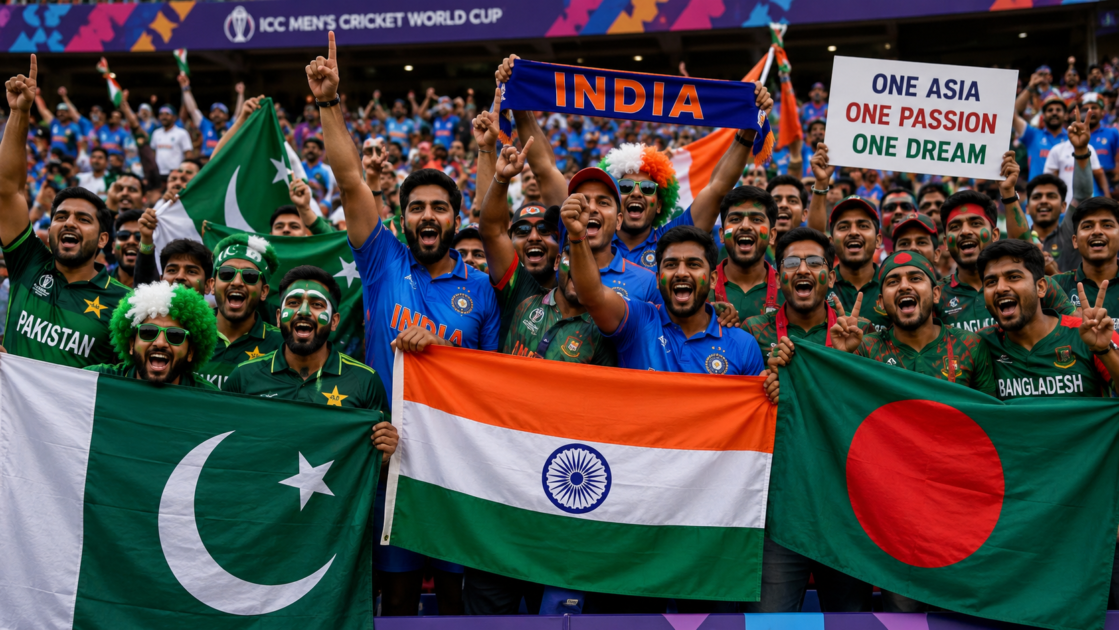
For fans in Pakistan, India, Bangladesh, and Sri Lanka, the 2026 World Cup carries a special significance.
None of these nations are competing — not yet. But the passion for football in South Asia is immense and growing. The streets of Dhaka fill with Argentina and Brazil flags every four years. In Pakistan, Brazil and Germany shirts are as common as cricket jerseys. Indian fans have made the Premier League one of the most-watched leagues in the world.
This World Cup, South Asian fans have more Asian teams to support than ever before. Indonesia’s debut, Japan’s quest for a quarter-final, and Saudi Arabia’s reputation as giant killers all give the region something personal to invest in.
The World Cup is not just for those whose countries qualify. It belongs to everyone who loves the game.
—
Asia’s Greatest Challenge — And Greatest Opportunity
The expansion to 48 teams has given Asia more representation. But representation is only meaningful if it is backed by performance.
Asian football has come a long way. But the honest assessment is this: no Asian team has ever reached a World Cup semi-final without home advantage. South Korea’s 2002 run, magnificent as it was, happened on home soil.
In 2026, can an Asian team go further on neutral ground than any Asian team ever has?
Japan are the most likely candidate. South Korea, with Son Heung-min at his last dance, cannot be ruled out. And in football, as Indonesia’s qualification has just reminded us, the impossible has a habit of becoming possible when you least expect it.
—
Follow TodayEast for Complete World Cup 2026 Coverage
At TodayEast, we will be covering every match involving Asian teams — results, analysis, player ratings, and the stories that go beyond the scoreline.
Because for us, this is not just a football tournament. It is Asia’s moment.
*Read more at todayeast.com*
*Follow us on Facebook, Instagram, Twitter/X, YouTube, LinkedIn and Pinterest @TodayEast*
—
TodayEast — Asia’s News Hub | Business | Technology | Finance | Sports | Startups
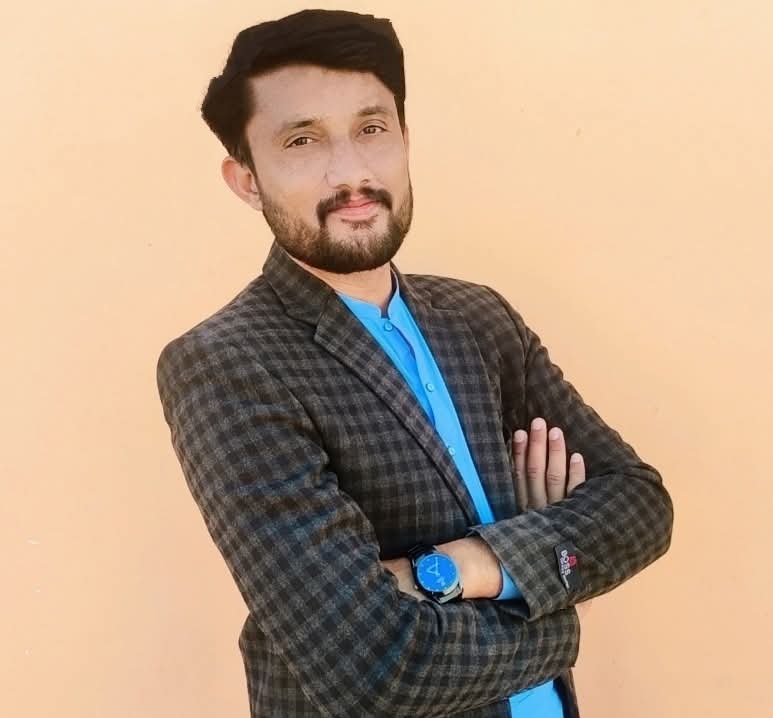
Umar Daraz is the Founder and Editor of TodayEast, an independent digital news platform covering global affairs, business, technology, sports, and world rankings. He specializes in data-driven journalism, international news analysis, economic trends, and emerging technologies. Through TodayEast, he aims to provide accurate, accessible, and insightful reporting on the stories shaping the world.